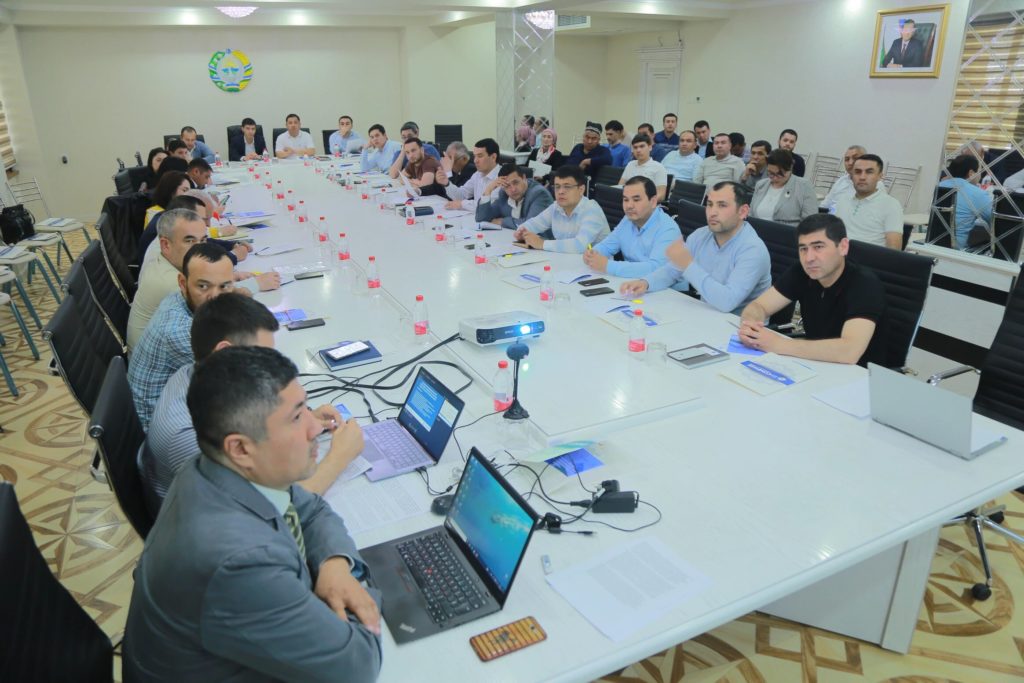
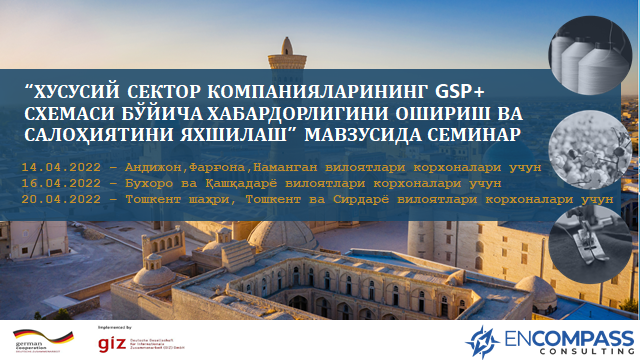
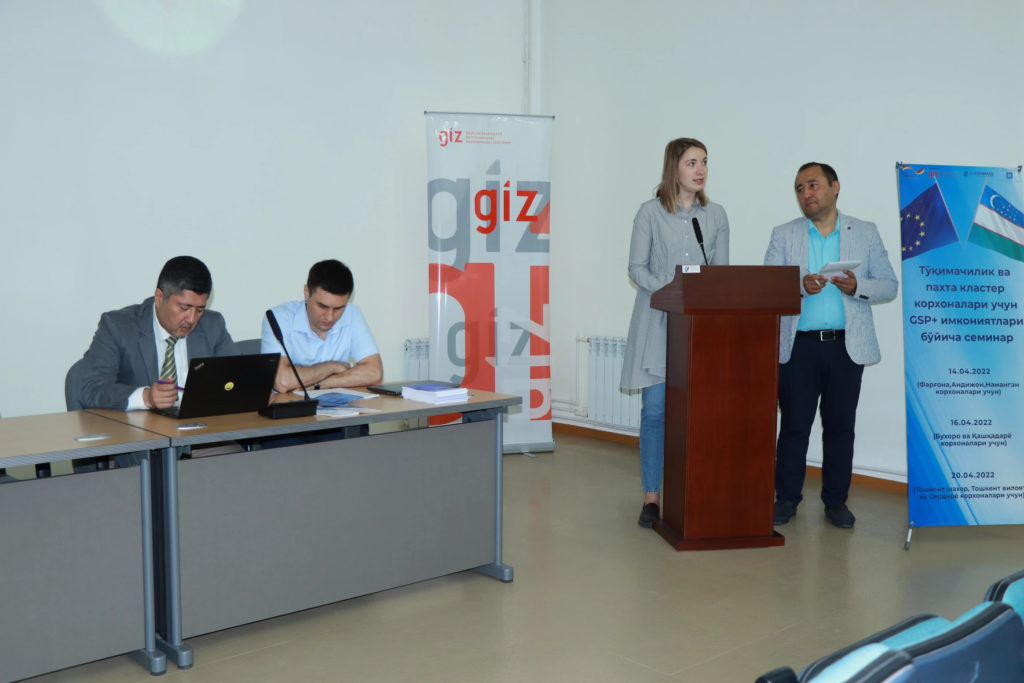
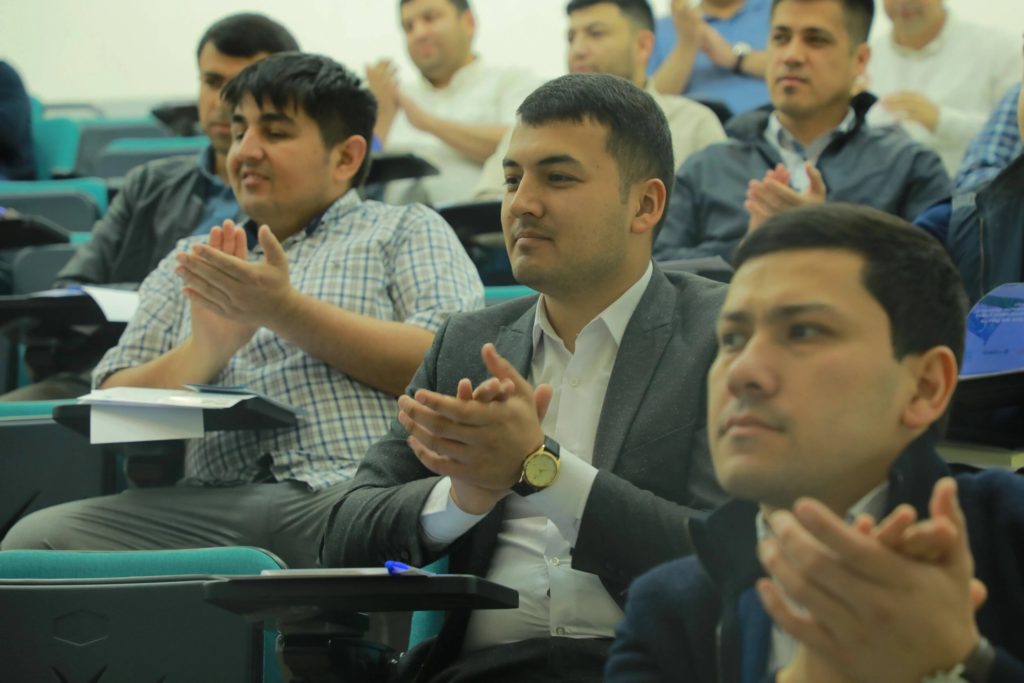
Encompass Consulting organized and implemented a series of workshops in various regions of Uzbekistan aimed at raising awareness and strengthening capacities of private sector companies with regard to export opportunities to the EU market provided by GSP+ tariff preferences and the obligations stemming from the international conventions that are a prerequisite for maintaining the GSP+ status.
The European Union’s GSP (General Scheme of Preferences) removes import duties from products coming into the EU market from developing countries. This helps developing countries to alleviate poverty and create jobs based on international values and principles, including labour and human rights. GSP+ is hereby the special incentive arrangement for sustainable development and good governance. It slashes 66% of tariff lines to 0% for vulnerable low and lower-middle income countries that implement 27 international conventions related to human rights, labour rights, protection of the environment and good governance. Uzbekistan has by now ratified all of the 27 conventions. As required by the GSP+ provisions, Uzbekistan has agreed to cooperate with the Commission to monitor and further improve the implementation of these conventions. The GSP+ status was officially granted in April 2021.
In order to make full use of the opportunities provided by GSP+ for the enhancement of sustainable development in Uzbekistan, the active participation of the local civil society, the media and the private sector is of great importance. Even though the country has made significant progress in the implementation of international conventions over the past years, from a sustainability perspective, environmental and social challenges persist. As this happens on ground level, the involvement of civil society and business actors and their cooperation with the political level is key to ensure the long-term adherence to conventions – and with it the long-term GSP+ status.
The GSP+ Uzbekistan project therefore aims to enable local actors, such as civil society organisations, the media, labour unions and the business community to proactively inform themselves about their chances in GSP+ and to observe the implementation of the GSP+ related conventions. They will become drivers of change and multiplicators of information ensuring that Uzbekistan meets its commitments to effectively implement international core conventions. In short, the project intends to raise awareness among civil society and business actors about the chances and requirements of GSP+, enhancing their capacity to get involved and open new spaces for dialogue between private and state actors.
The project is jointly implemented by the T4D Fund and the global programme ‘Sustainability and Value Added in Agricultural Supply Chains | Cotton’ in Uzbekistan. The cooperation of both GIZ projects will bring together the Fund’s trade expertise and the global programme’s entrenchment in the local context and its experience with improving environmental and labour standards, many of which are also covered by GSP+. The final goal of the measure is to define the role and increasing the knowledge of civil society and the private sector about the conventions and their relation to GSP+ as well as making full use of the leverages provided by the system.